The difference between receiving a report and understanding it
CoreMD Insights transforms complex medical documents into clear, structured educational explanations.
Most people receive data.
Very few understand what it represents.
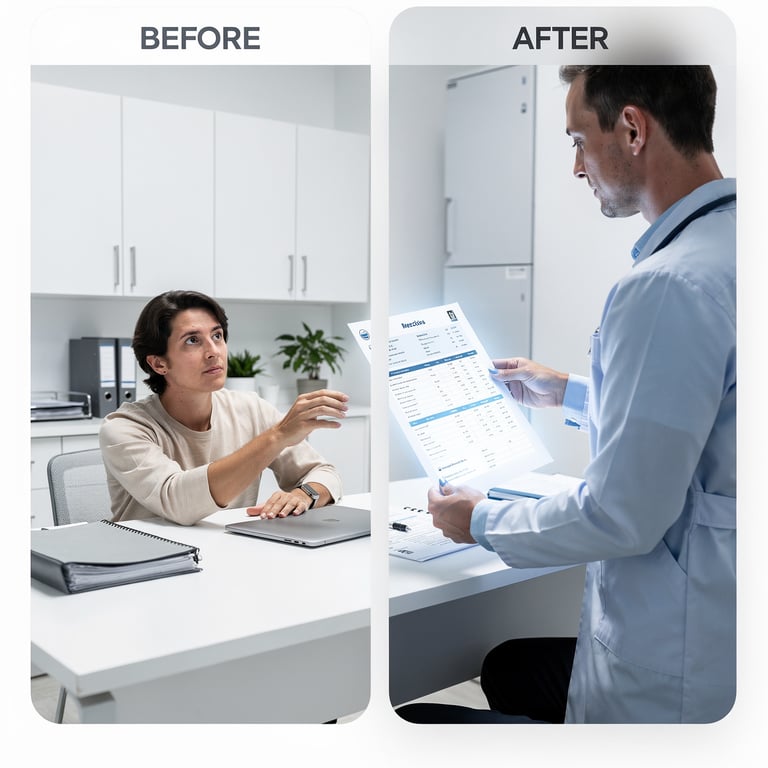
Same information.
Completely different clarity.
Dense clinical language
Minimal explanation
No clear next steps
Difficult for patients to interpret
Simulated Traditional Report
CoreMD Clinical Insight (Educational Model)
Clear structured summaries
Plain-language medical explanations
Contextual understanding of findings
Educational framing using medical knowledge
From information → to understanding
Traditional reports provide technical observations.
CoreMD Insights explains what those observations represent in general medical terms.
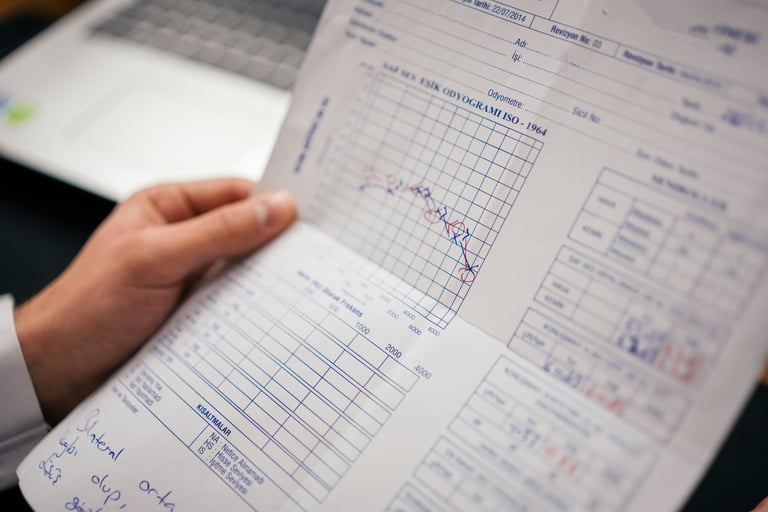
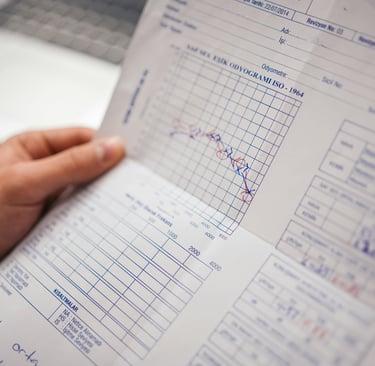
Technical Findings
Raw clinical observations recorded in medical terminology.
Brief Impression
A short summary that rarely explains what findings mean.
Limited Patient Usability
Leaves patients without the context they need to act.
Medical Terminology
Language written for clinicians, not for patients.
What a traditional report provides
Designed by physicians. Structured for real-world clinical understanding
What CoreMD Insights adds
Structured summary of key findings
Translation of medical terminology into accessible language
Explanation of how findings are commonly interpreted in medicine
Contextual understanding within general clinical frameworks
Clarification of common associations (non-individualized)






Why This Matters
“What does this mean in general?”
“Is this commonly seen?”
“How is this usually interpreted?”
“What is this typically associated with?”
CoreMD Insights is designed to answer these questions
through clear, structured medical education.
Simulated Case: Abdominal Ultrasound
What liver enlargement represents in medical imaging
How fatty liver is commonly interpreted in clinical practice
General associations with metabolic patterns
How clinicians typically contextualize this type of finding
Enlarged liver
Fat accumulation
No focal lesions
No obstruction
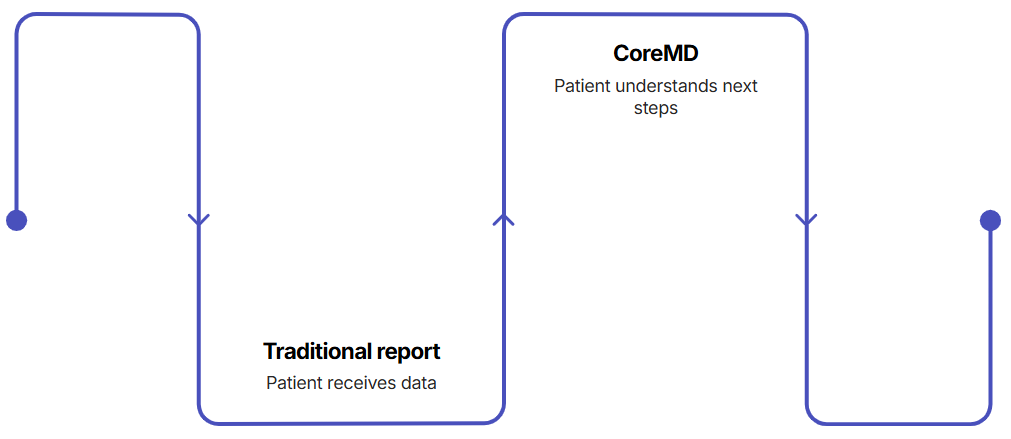
From passive information → to active understanding
Traditional report: Patient receives data. CoreMD Insights: Patient understands their health trajectory and next steps.
Simulated Case: Abdominal CT Scan
What incidental findings represent
How these are usually interpreted in medicine
Why imaging may not explain symptoms
The difference between structural vs functional conditions
Hepatic calcified granuloma (segment VII)
Biliary sludge without ductal dilatation
No intra-abdominal acute pathology identified
No evidence of bowel obstruction or inflammation
Mild ventral abdominal wall laxity
No significant abnormality to explain symptoms
Who this is designed for
CoreMD InsightsCoreMD Clinical Insights are designed for patients reviewing:
Blood Work
Comprehensive lab panels and routine blood tests
Specialist Consultations
Reports from specialist physician visits




Hormonal Panels
Endocrine and Hormonal Lab Results
ECG /EKG
Electrocardiogram readings in cardiac assessments
Imaging Reports
Ultrasound, MRI and CT scan results.
Preventive Health Data
Wellness screenings and preventive care results.


Simulated Case: Lumbar spine Xray
How degenerative spine changes are commonly understood
Why these findings are frequently seen
The relationship between imaging and symptoms (general concept)
Degenerative changes
Disc space narrowing
Osteophytes
Educational Sample
All examples shown are simulated cases.
Based on real clinical patterns
They are based on real clinical patterns but have been fully reconstructed into fictionalized reports for educational purposes.
No real patient data
No real patient data is used. All cases are entirely simulated and anonymized for illustrative clarity.
Simulated Case: Psychiatry report
How these symptom clusters are classified in psychiatry
How clinicians understand overlapping mental health patterns
The role of history, stress, and neurobiology in general terms
Depression
Anxiety
Trauma-related patterns
Medical information shouldn't feel inaccessible
If you have a report, scan, or lab result and want to understand it:
CoreMD provides structured, physician-guided educational explanations
designed for clarity, context, and understanding.
PHYSICIAN-GUIDED HEALTH INSIGHTS

Your Personal Health Workspace
Your health information. Structured. Accessible. Always with you.
After your documents are processed:
Your information is organized
Your reports are structured
Your data remains accessible over time
Everything is built for clarity and continuity.
Your health information. Structured. Accessible. Always with you.
After your report is analyzed, your documents are not lost in emails or folders.
They are organized into a structured, secure clinical environment.
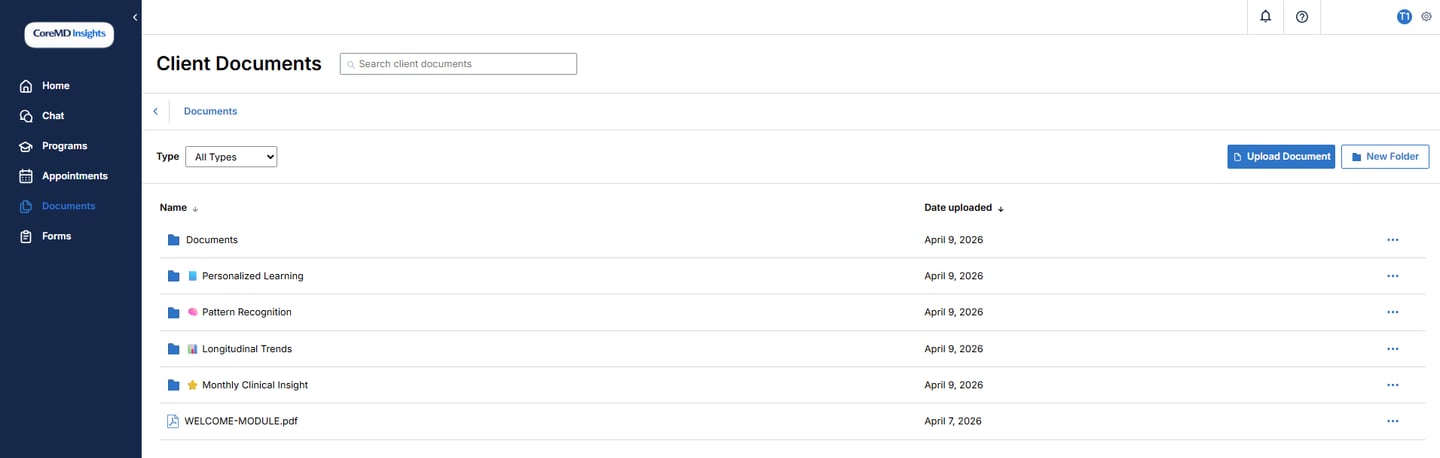
A clear starting point
👉 Everything in one place, designed for clarity
Your Clinical Reports
Your Uploaded Documents
Your Structured Health Records


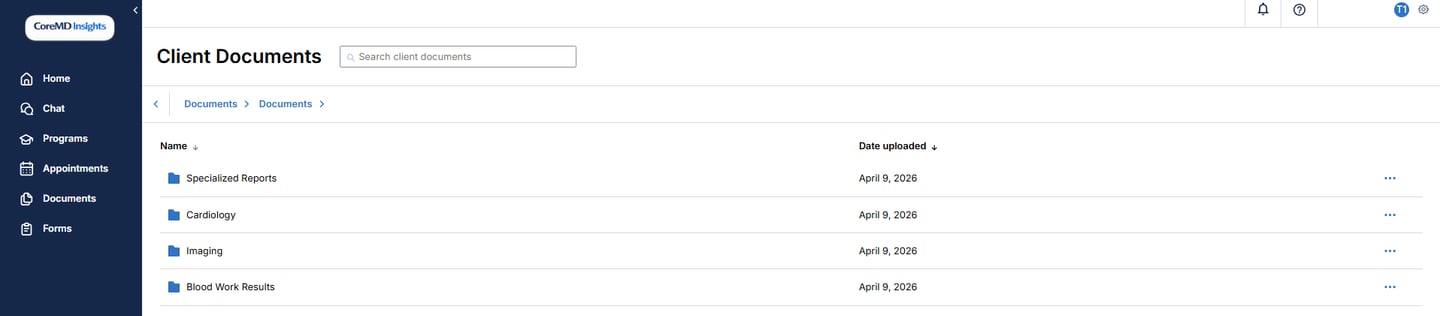


Your dashboard gives you direct access to:
Simple membership. Long-term clarity.
CAD$25/month


• Secure platform access
• Clinically structured data framework
• Document management and organization
• Longitudinal health tracking
• Education guided by established medical knowledge
• Unlimited secure document storage
• Continuous 24/7 access to your health data
• Pay only when additional interpretations are requested
CoreMD Insights
Membership
One transparent membership. No hidden fees. No long-term lock-in. Cancel anytime.
Up to 2 structured educational reports per month included
Only pay when you request additional reports for new documents.
or $20.75/month billed annual
(save 17%)
Save with annual membership
CAD $249/year (equivalent to $20.75/month)
Prefer more flexibility? Pay monthly
One transparent plan. Everything you need to track, understand, and engage with your health data over time.
Reach out anytime for support or questions
Phone
hello@coreMDclinic.ca
986-7B Pleasant Blvd, Toronto, ON (Administrative address ONLY)
M4T 1K2
1-647-848-6104 WhatsApp (preferred)
1-(365) 217-9795 (24/7 automated line)
© 2025. All rights reserved.
CoreMD Insights™ is an educational platform designed to support understanding of medical information.
It does not provide medical advice, diagnosis, or treatment and does not replace consultation with a licensed physician.
Contact
Patient resources
More
Secure. Encrypted. Physician-guided.
Clarity without complexity.